
Applications · By industry
Water & wastewater. Ozone starts with oxygen.
Treatment plants are moving from delivered chlorine to ozone made on site — and ozone is made from oxygen. In the water lab, TOC, ICP and AAS need CO₂-free air, nitrogen and compressed air.
What this industry needs
Corona-discharge ozone generators make far more ozone per unit of energy from an oxygen feed than from air, with none of the storage risk of delivered chlorine.
The water lab behind the plant runs TOC, ICP, AAS and GC-MS every day.
How it works
From the sample or the process to the result, and the gas used at each step.
Raw water is screened and its organic load measured.
Ozone generators fed with oxygen oxidise micropollutants and disinfect.
TOC, metals by ICP and AAS, and VOCs by GC-MS check every stage.
Online TOC and analysers confirm the final water before it leaves the plant.
Where Leman fits
The Leman product lines this industry uses, and what each one does.
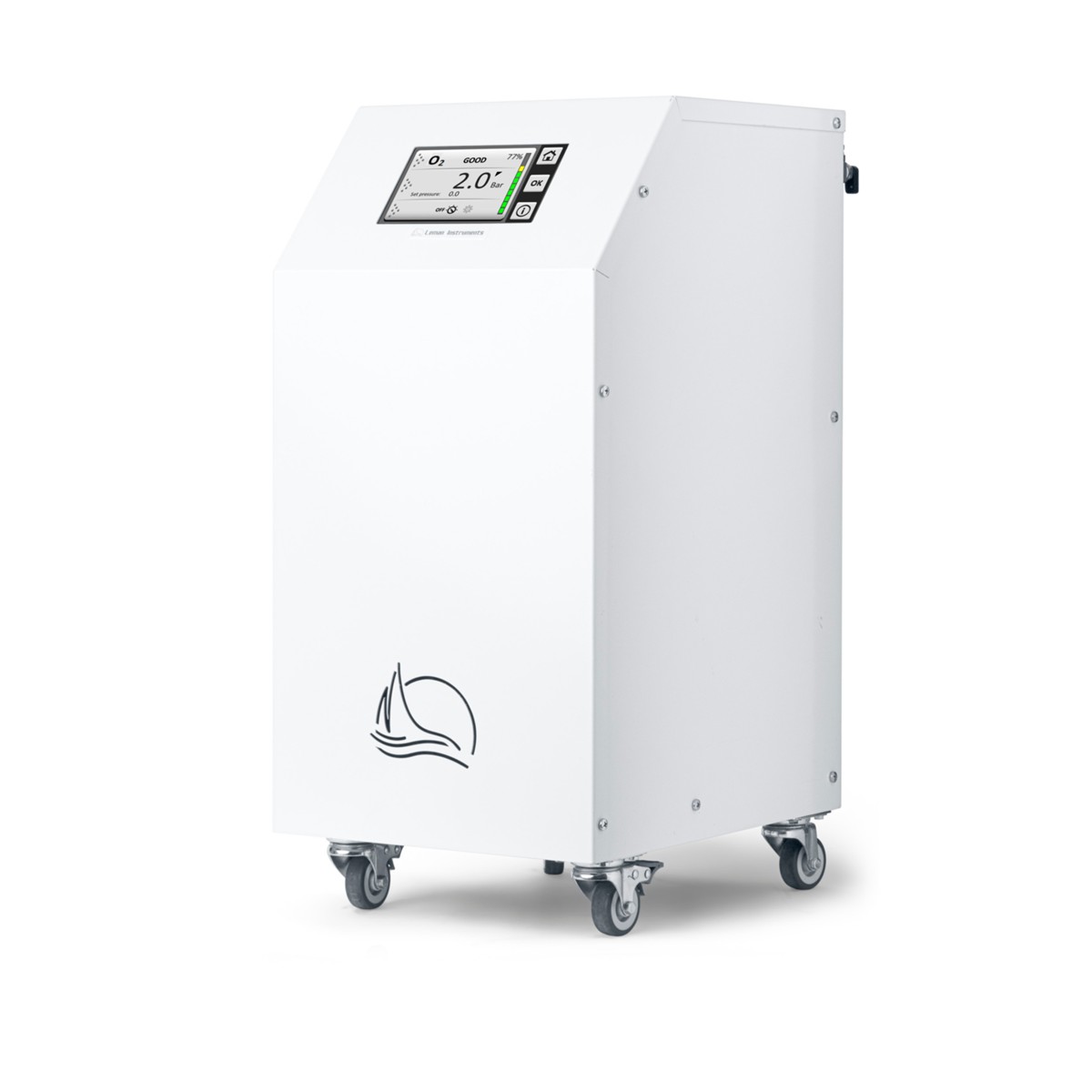 Lead product lineOXYOxygen 99.999 %O2
Oxygen feed for corona-discharge ozone generators and advanced oxidation, replacing delivered chlorine.
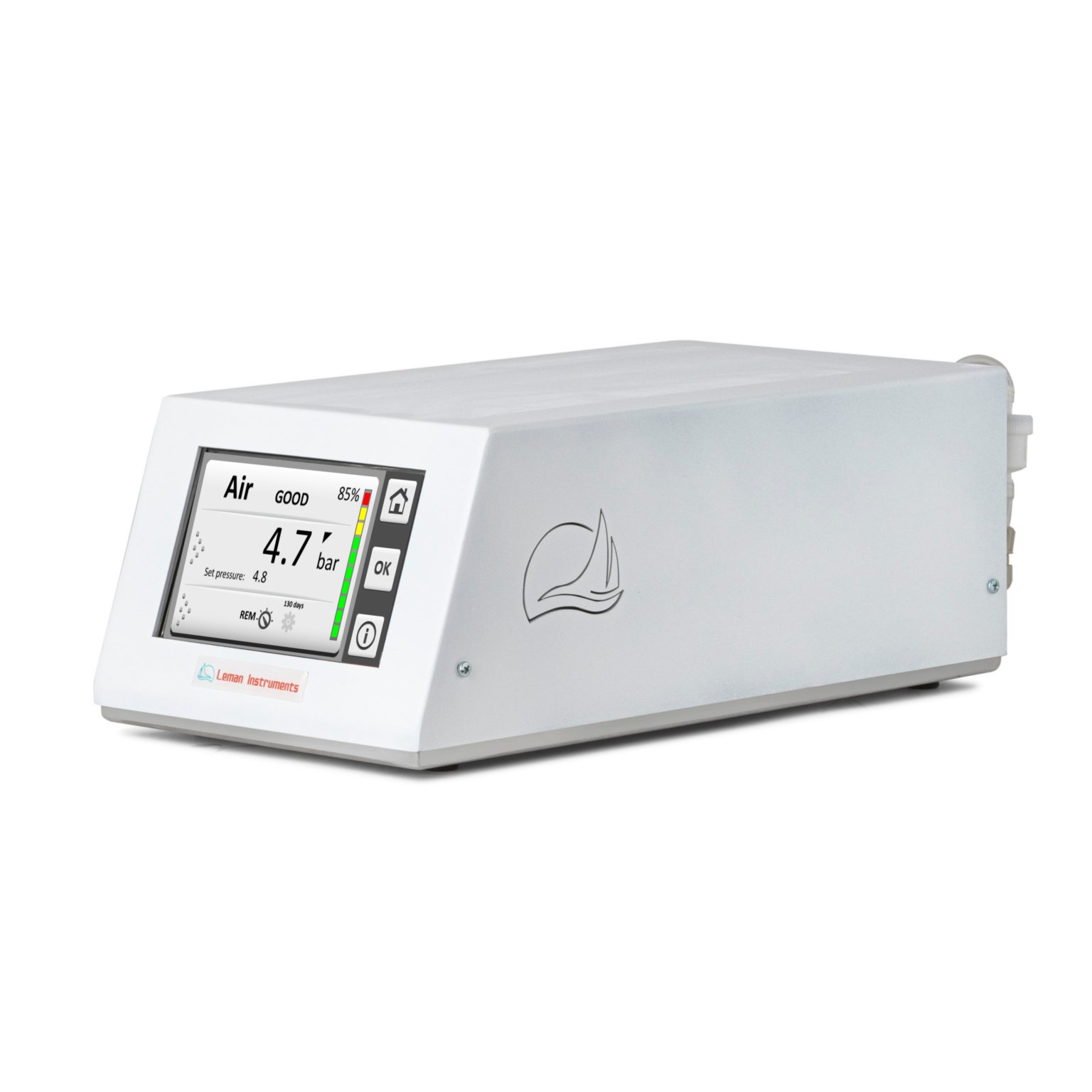 AEROZero air, AERO50 to AERO70Air
CO₂-free air for laboratory and online TOC analysers.
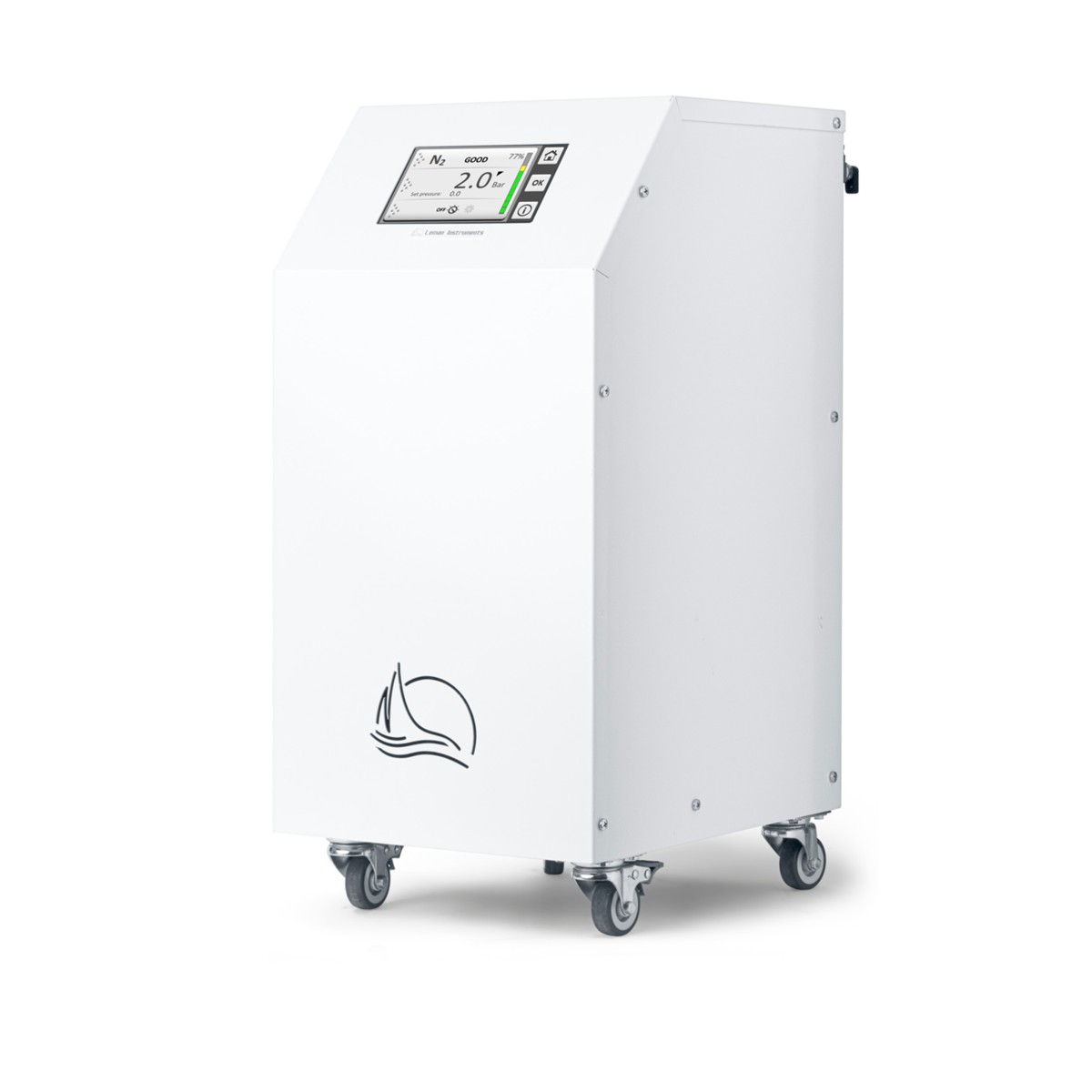 NITRONitrogen, 99 % to 99.99995 %N2
Nitrogen for ICP optics purge and GC-MS make-up in the water lab.
In depth
Ozone from oxygen
Corona-discharge ozone generators split oxygen molecules to form ozone. Fed with pure oxygen instead of air, they make about two to three times more ozone from the same machine and the same energy, without nitrogen oxides. An OXY generator makes that oxygen on site, removing deliveries of liquid oxygen or chlorine.
TOC, the water lab's workhorse
Total organic carbon is measured by oxidising the sample and detecting the CO₂ formed. The carrier gas must itself be free of CO₂ — hence CO₂-free air from an AERO TOC or oxygen from an OXY, depending on the analyser.
On the bench
Application by application: the equipment you will find, the gas it needs and the Leman generator that makes it.
| Application | Equipment | Gas it needs | Leman generator |
|---|---|---|---|
| On-site ozone generation | Corona-discharge ozone generators | O₂ feed for corona discharge | OXY50 L |
| Advanced oxidation, PFAS destruction | AOP systems | O₂ feed | OXY50 L |
| Industrial process water disinfection | Oxygen-fed ozone systems | O₂-fed ozone | OXY50 L |
| Laboratory and online TOC | Combustion and UV / persulfate TOC analysers | CO₂-free air or O₂ | AERO TOC LOXY50 L |
| Metals by ICP and AAS | ICP-OES, ICP-MS and AAS | N₂ purge, compressed air for flames | NITRO ICPNANO COMP |
Instruments we know
From our compatibility lists: each family with its gases and the Leman generators that run it.
TOC
Leman generatorsAERO TOC L · OXY50 L · NITRO50 L · NANO COMP
35 instruments in our compatibility listsMetals by ICP and AAS
VOCs and micropollutants
- 2 × TOC · Combustion TOC
- 1 × ICP · ICP-OES
- 1 × ICP · ICP-MS
- 1 × AAS · Flame AAS
- 1 × GC · GC-MS
- 1 × TD & headspace · Purge and trap
Questions we hear
Straight answers to what labs ask us first.
We already buy oxygen for the ozone system.
A plant running ozone continuously is exactly where on-site oxygen pays back: count how many cylinders a month the ozone system alone uses.
Other industries
Your methods and procedures set the gas specifications; a Leman engineer confirms flows, pressures and purities before quotation.